Real Food For Real Kids
  • Client Portal Log-In
  • Access Monthly Menus
  • Order Cakes
  • ABOUT RFRK
    • Our Story
    • Our Commitment & Mission
    • Real Food Forward
    • What’s Cookin’
    • Applause
  • Our Food
    • Real Food Every Day!
    • Allergy Safe Catering
    • Our Promise
    • Sample Menu
  • Who We Serve
    • Child Care Centre & School Catering
    • Before & After Program Snack Catering
    • Camps
    • Raves & Reviews
    • Delivery Zone
  • Our Blog
    • on the menu
    • how it’s made
    • real ingredients
    • meet our team
    • food safety & allergy management
    • real food recipes
    • healthy eating tips for kids
    • kids books about food
    • child care champions
    • in the news
  • Contact Us
    • Contact Form
    • Careers
    • FAQ
  • Real Food Recipes
  • Client Portal Log-In
  • Order Cakes
Real Food For Real Kids
Logo
  • ABOUT RFRK
    • Our Story
    • Our Commitment & Mission
    • Real Food Forward
    • What’s Cookin’
    • Applause
  • Our Food
    • Real Food Every Day!
    • Allergy Safe Catering
    • Our Promise
    • Sample Menu
  • Who We Serve
    • Child Care Centre & School Catering
    • Before & After Program Snack Catering
    • Camps
    • Raves & Reviews
    • Delivery Zone
  • Our Blog
    • on the menu
    • how it’s made
    • real ingredients
    • meet our team
    • food safety & allergy management
    • real food recipes
    • healthy eating tips for kids
    • kids books about food
    • child care champions
    • in the news
  • Contact Us
    • Contact Form
    • Careers
    • FAQ
  • Real Food Recipes
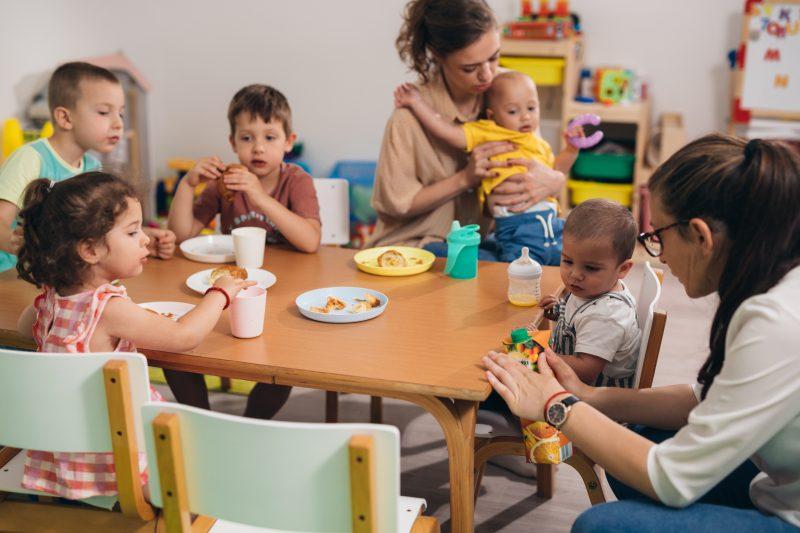
children have breakfast in kindergarten with caregivers
  • in the news

How To Get Kids To Eat Healthy: RFRK featured in the Huffington Post

  • March 30, 2012

Broccoli, brussels sprouts and spinach: the green foods that are good for kids, but usually end up on the side of the dinner plate. Some parents opt to hide “healthy” foods within smoothies or baked goods, while others experiment with different cooking styles to get their kids to eat green. We talked to Lulu Cohen-Farnell, founder and president of Real Kids Real Food, an organization helping the community understand their food, on simple tips that can keep our kids at the dinner table.

“If you hide food they are not familiar with, it can be a good idea. Yes, your child doesn’t know, but the food is in them and it’s healthy. But if you don’t hide food, you can also teach them about food,” she says.

“Hide it at first, but when you feel like your child is ready, bring it to the surface again and tell them what they are eating. You want them knowing they liked the vegetable. Children’s eating habits and their tastebuds change every two to three weeks.”

If your little one has a hard time sitting still at the dinner table, here are Cohen-Farnell’s tips to get them to stay put.

  1. Let Kids Help You Prep – Let your kids help you in the kitchen. Talk to them about what’s in food and why it’s good for our bodies. Involve kids in menu planning, shopping, and meal prep, and they’ll be more likely to eat what’s being served.
  2. Offer A Variety Of Foods – Offer a variety of vegetables, fruits, whole grains and legumes at the dinner table. Even if your child eats only two bites, he or she will understand that these foods make up a nutritious diet. When he starts wanting more than two bites, expand your offerings to include different foods.
  3. Same Foods, Different Shapes – Slice and dice foods in different ways. Try raw carrot sticks one day and cooked carrot coins another.
  4. Have Patience – This is the toughest one of all. Giving in to your child’s demands only makes things harder in the long run. Many kids won’t accept a new food until it’s been offered at least 10 times, according to the Canadian Academy of Pediatrics.
  5. Take Small Steps – Some kids are overwhelmed by large quantities of food on their plates. If you’re introducing your child to a a new dish, keep the portions small.
  6. Two-Bite Rule – One way to help them develop new taste buds? Insist kids eat at least two bites of everything on their plate before leaving the table.
  7. Don’t Take Personal Orders – Don’t make special orders or substitutes for everyone’s special preferences. (Unless there are allergies of course). At first, your child may refuse to eat. Stay calm, stand firm, and ignore tantrums. Your child will not go hungry from skipping a meal. Yes, you heard that right: your child will not go hungry from skipping a meal. They’ll come to the next meal with a healthy appetite, and (most importantly) an understanding that a tantrum won’t break you.
  8. Stay Cool – When your child rejects a food, stay calm and reaffirm the boundaries you’ve established (two bites before leaving the table). Don’t let your child engage you in a power struggle.
  9. Don’t Forbid Foods They Like – You know how this works: you always want what you can’t have. And if you don’t give your kids candy at home — they most likely have other ways of finding it. Allow your kids to choose a special food from time to time and let them eat it guilt free. Teach your kids the difference between everyday foods and occasional foods.
  10. The Power Of Stickers – Most kids like being recognized for work they do. Stickers often have the power to encourage younger kids, especially if they can help pick them out. Use stickers as a reward for trying a new food, finishing a meal, or choosing a healthy option.

To read this article on the Huffington Post’s website, click here.

Leave a Reply Cancel reply

You must be logged in to post a comment.

Subscribe to our What’s Cookin’ Newsletter

monthly menus, nutritious recipes, and more!

RFRK Logo

we value your feedback! share your positive experience or help us improve by leaving a review.

416-410-KIDS (5437)

  • facebook
  • instagram
  • linkedin
  • Client Portal Log-In
  • Order Cakes
  • Real Food Recipes
  • Careers
  • Contact Us
  • Get A Quote
  • Child Care & School Catering
  • Before & After Snack Catering
  • Raves & Reviews
  • Accessibility Plan & Policies

Input your search keywords and press Enter.