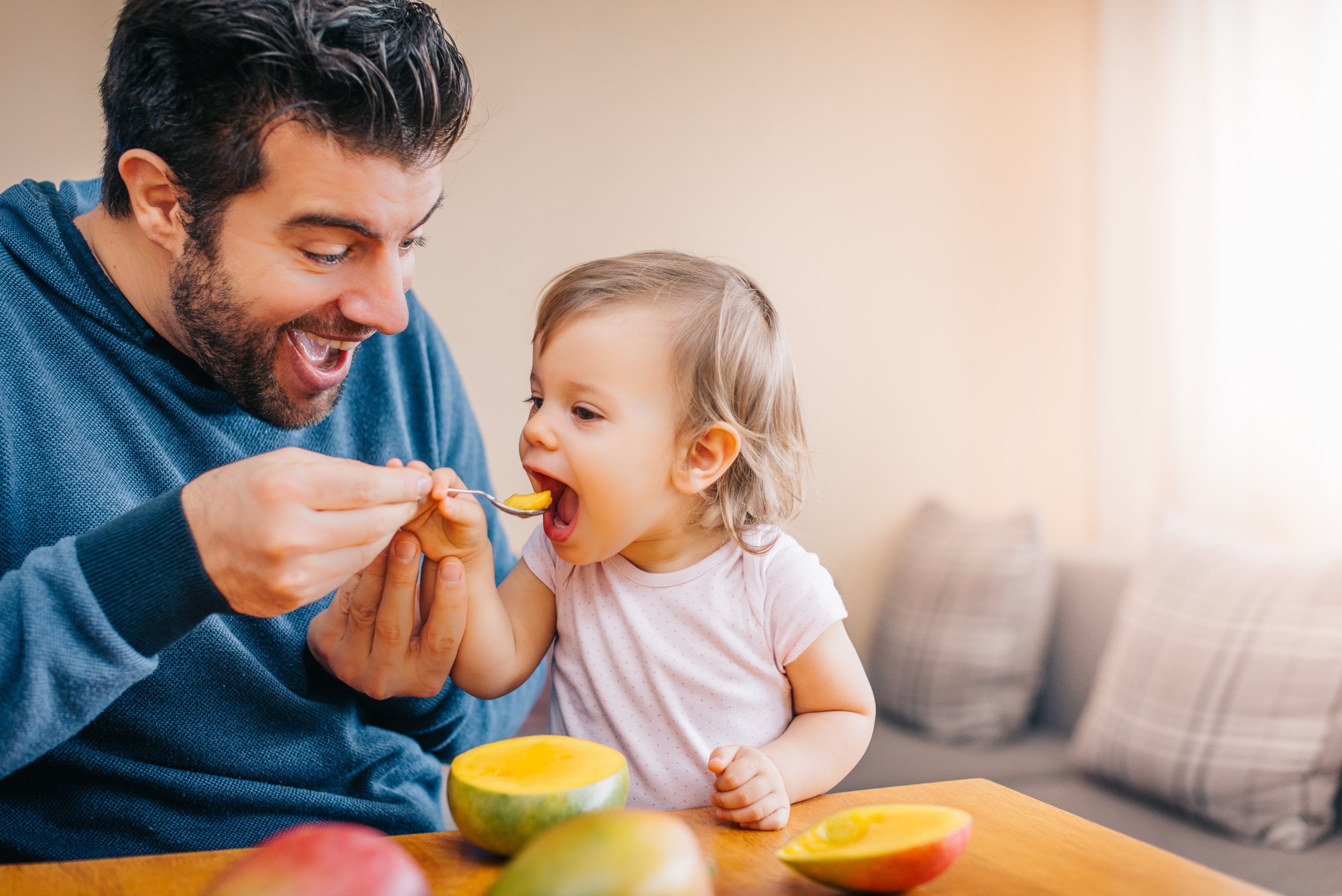
From the “dirty dozen” to packaged foods, RFRK’s Founder, Lulu Cohen-Farnell, discusses the benefits of young children eating organic ingredients.
The Benefits of Eating Organic
When babies first start eating solid foods, there seem to be endless possibilities of what to offer them, but it’s important that parents stick to organically or sustainably grown foods from rich and healthy soils early on in their child’s life. Because babies’ organs are growing, the purest foods possible are always best. Babies eat more than adults, pound per pound, and they are more vulnerable to toxins. Organic fruits and veggies have been grown without pesticides, herbicides, and fertilizers, and organic meats have been raised without the use of hormones or antibiotics. The less fillers and preservatives added to your child’s food in its preparation phases, the fewer toxins and contaminants that will get transferred into his or her growing body, hence the importance to stick to real food!
When you head to the supermarket, your best bet is to stock up on sustainably & locally grown or organic – fresh fruits and vegetables that haven’t been altered in any way. Organic is best, but if you can’t afford to buy everything organic, stick to the rule of the “dirty dozen.” These are 12 fruits and vegetables that you should try to buy organic, while others aren’t so bad to buy non-organic. The important part is the skin. Fruits and veggies with thin skins that you eat – like apples, peaches, plums, and berries – are more susceptible to contamination from pesticides. The same goes for veggies with high water content, like cucumber and celery. On the other hand, thick-skinned fruits and veggies, whose skin you don’t eat (like pineapples, avocados, and bananas), aren’t so bad if you go for the non-organic option.
When it comes to packaged food, while there are organic options, you should always check the label. Some organic foods still have fillers – extra ingredients your body doesn’t need. Stick to the most natural and real ingredients you can find with the no fillers and as little alteration as possible. The most your food should be transformed from its natural state is by you, in your own kitchen using fresh herbs, healthy oils and steaming, blending or shredding!
Everybody should eat food that hasn’t been contaminated, because the toxins harm our bodies, but it’s most important for young children to eat organic because their organs are still growing. You may not see the effects of processed, unnatural foods in the short-term, but they will affect your kids in the long term.
To read this article on the Today’s Parent website, click here.